How to Learn a Language with Dyslexia: A Speaking-First Guide
Learning a new language with dyslexia can feel daunting, but it's entirely possible with the right approach. This guide focuses on your strengths, using speaking-first, multi-sensory methods.

Thinking about learning a new language but worried that dyslexia will get in the way? It’s a common concern, but let's clear the air right away: Yes, you can absolutely learn to speak a new language confidently with dyslexia. The key isn’t about trying harder with traditional methods that don't click; it’s about embracing a different, smarter strategy that works with your brain's unique wiring. This guide will show you how to learn a language with dyslexia by focusing on what matters most: speaking and listening.
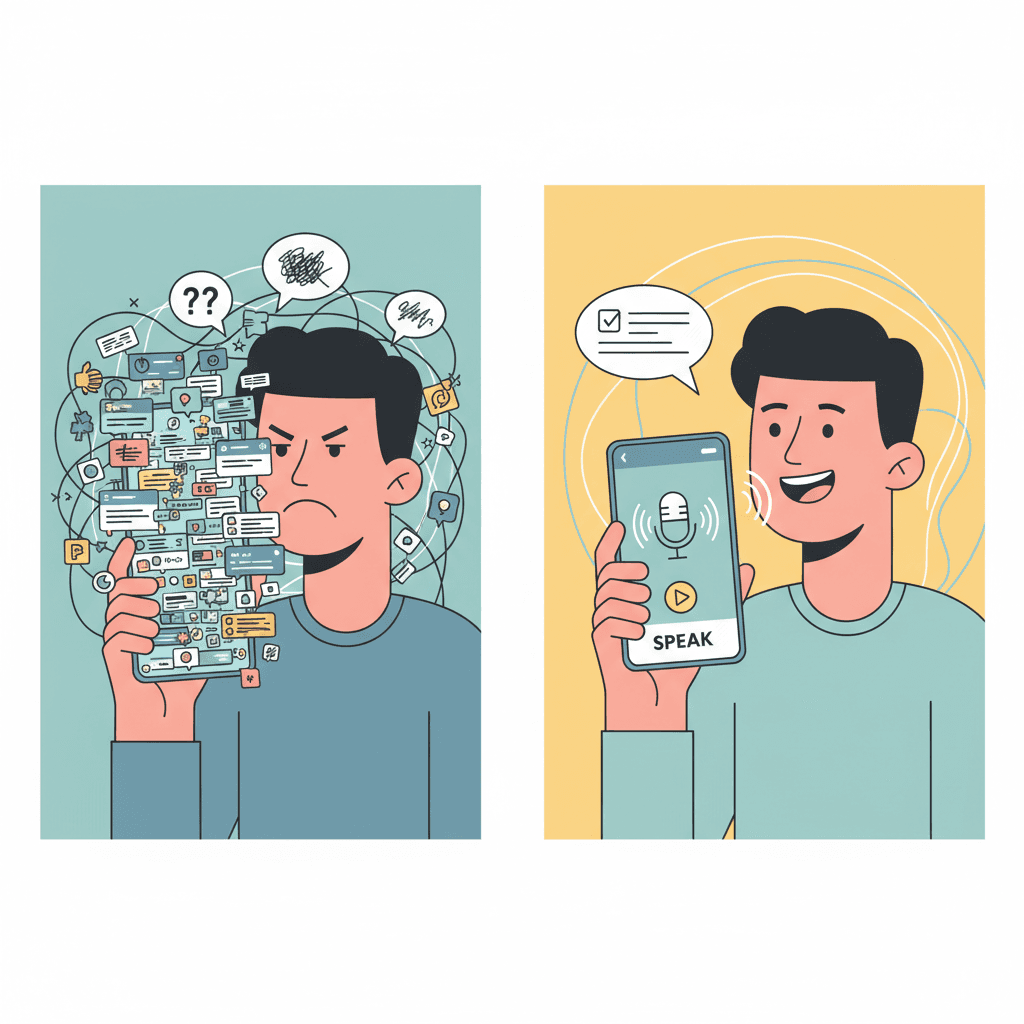
Forget the myth that dyslexia is a roadblock. It's simply a different way of processing information, and with the right approach—one that prioritizes sounds over confusing spelling rules—you can unlock your potential and start speaking a new language with joy and confidence.
Yes, You Can Learn a New Language with Dyslexia
If you’ve ever been discouraged from language learning because of dyslexia, you’re not alone. An estimated 10% of the population is believed to have dyslexia, which means millions of people in countries like the US, UK, Australia, and Canada are on a similar journey. The good news is that the old advice to avoid new languages is, as the experts at AHEAD state, 'scientifically unfounded.' Your brain's unique way of processing can actually be an advantage when you find the right method.
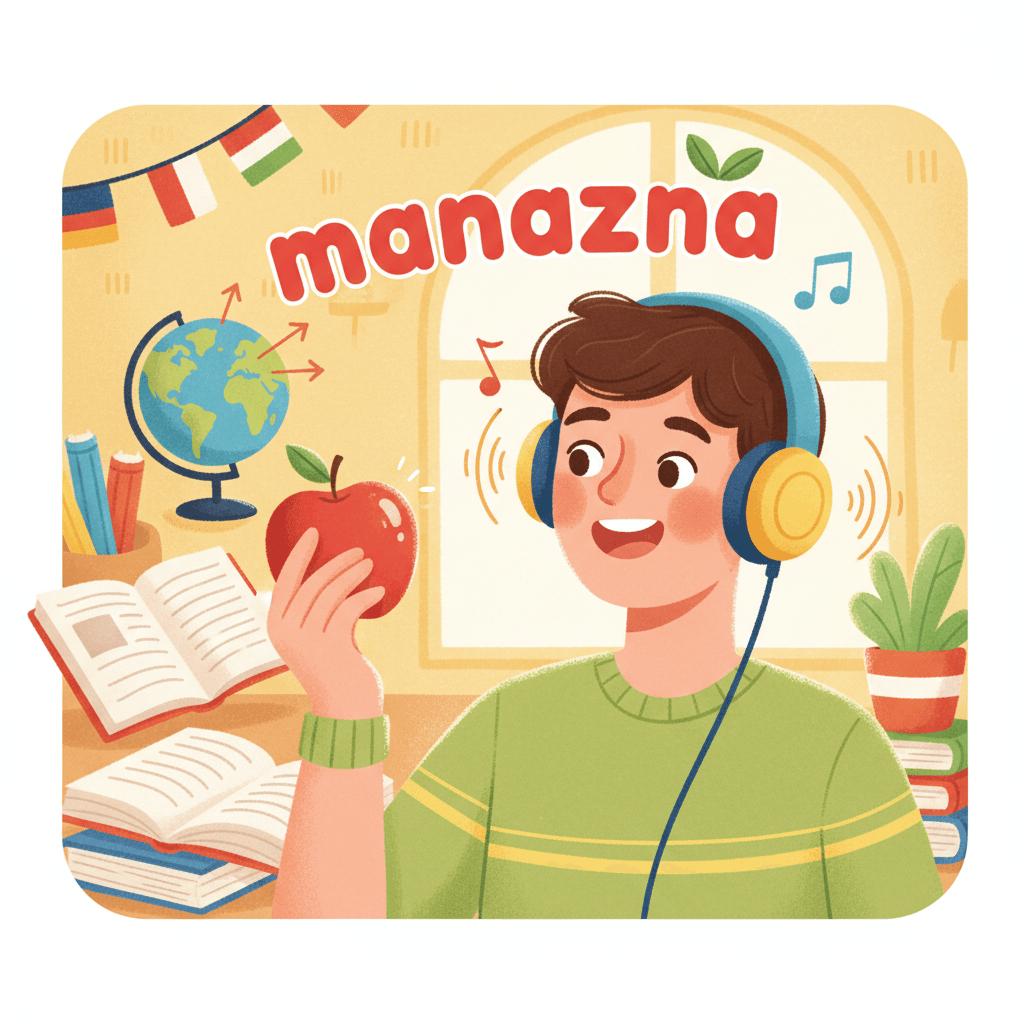
Success lies in reframing the challenge. It’s not about a lack of ability, but the need for a different strategy. The language learning world is finally catching up, shifting away from dry, text-heavy textbooks and moving toward the very methods that dyslexic language learners thrive on: audio-first, conversational, and multi-sensory activities. As noted by Understood.org, this journey can be an incredibly empowering experience, often leading to a deeper understanding of your own native language's structure.
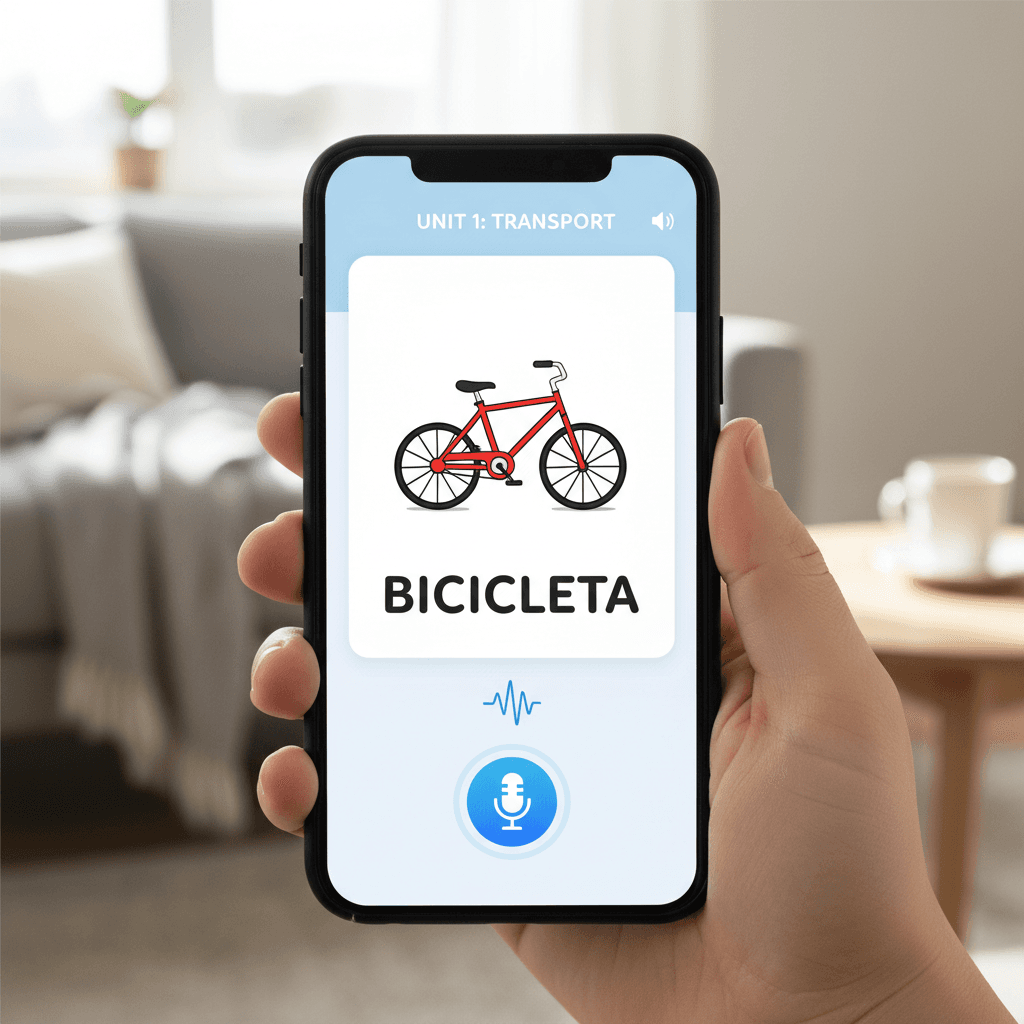
It’s not about a lack of ability, but the need for a different strategy. Moving away from traditional textbook methods toward modern, multi-sensory activities is key.
Why Traditional Language Apps Can Feel So Frustrating
Ever spent an hour on a popular language app only to feel more confused than when you started? There’s a scientific reason for that. Many traditional methods, especially those found in text-heavy apps, can feel like they’re working against you. They often overload the brain's phonological loop—the part of your working memory that holds and processes sounds—which is a specific area of challenge for many with dyslexia.
These apps often force you to connect abstract spellings to new sounds, which the University of Bath Blogs identify as a core difficulty. You’re asked to read and translate sentences before you’ve even had a chance to hear and internalize the sounds of the language. This can lead to what many learners report as cognitive fatigue. For dyslexic learners, hearing a word spoken aloud is critical for both memory and pronunciation, a feature often treated as an afterthought in apps that prioritize written grammar drills.
The solution isn’t to give up on digital tools. Instead, it’s about finding the right tools. Effective learning should be a 'vibrant, multi-sensory process,' as described by C-Pen. Thankfully, the EdTech industry is responding to these pain points, with a significant increase in the development of multi-sensory language learning tools designed for how we actually learn.
Your Action Plan: A Multi-Sensory Approach to Speaking
Ready to build a learning system that celebrates your strengths? This action plan is designed to do just that. It's built on a foundation of multi-sensory instruction, an approach that neuroscience research shows is highly effective for learners with dyslexia. According to Mind By Design (2025), engaging visual, auditory, and kinesthetic (movement-based) pathways at the same time strengthens neural connections and creates a much more accessible path to learning. It provides alternative routes for information to stick, bypassing the common challenges with phonological processing.
Research consistently shows that learners make greater gains with multi-sensory programs, many of which are based on the Orton-Gillingham method. Let's break down how you can apply this powerful approach, step by step.
Step 1: Focus on Sounds, Not Spelling (Phonology)
The single most effective shift you can make is to start with your ears, not your eyes. A primary challenge in dyslexia is connecting unfamiliar word sounds (phonemes) to their written letters (graphemes). So, let's build a strong foundation with the sounds first. This is the core of a phonological approach language learning method.
Instead of trying to decipher written words, immerse yourself in the sounds of the language. This could mean:
- •Listening to music or podcasts intended for native speakers, even if you don't understand everything.
- •Using audio-first lessons that introduce new vocabulary through spoken examples before showing the text.
- •Practicing shadowing: Listen to a short phrase and repeat it aloud immediately, trying to mimic the intonation and rhythm. This trains your mouth and ears simultaneously.
This audio-first approach builds your phonological foundation, making it much easier to connect the spelling to the sound later on. The good news is that the industry is moving in this direction, with many modern tools focusing on conversational practice over text-based drills.
Step 2: Connect Words to Actions and Senses
Your brain is wired to remember things that are connected to images, actions, and emotions. Let's use that to our advantage. By linking new words to more than just text on a page, you create stronger, more durable memories. Here are a few powerful multi-sensory techniques:
- •Use color-coding: Grab some highlighters and assign a color to different parts of speech (e.g., blue for nouns, red for verbs, green for adjectives). This visual cue helps your brain categorize words without getting bogged down in grammar rules.
- •Act it out (Total Physical Response): When you learn a new verb, perform the action. If you learn 'correr' (to run) in Spanish, actually jog in place. This kinesthetic link is incredibly powerful for memory.
- •Try the keyword method: This mnemonic technique, recommended in University of Bath blogs, connects a new word to a similar-sounding word in your native language. To learn the Spanish word mesa (table), you could picture a messy table. The sillier the mental image, the better you'll remember it.
- •Create visual flashcards: Instead of word-for-word translations, use flashcards with a picture on one side and the foreign word on the other. This creates a direct link between the concept and the new word, bypassing English altogether.
As noted by AHEAD, these visual and spatial supports help 'alleviate the burden on phonological memory,' making recall faster and less stressful.
Step 3: Use Technology as Your Most Patient Tutor
Technology is your superpower. Modern language learning assistive technology can remove many of the old barriers and provide support exactly when you need it. Tools like text-to-speech readers are essential; they can scan physical text and read it aloud, reinforcing that crucial audio-first learning style. Many e-readers and web browsers now offer dyslexia-friendly fonts that can improve readability and reduce visual stress.
But perhaps the biggest game-changer is the rise of AI tutors. A major source of anxiety for any language learner is the fear of making mistakes in front of other people. For someone with dyslexia, this can be even more pronounced. This is where an AI conversation partner becomes your most patient and supportive tutor. For example, SpeaksyAI's AI tutor provides a safe, non-judgmental space where you can practice speaking for hours. You get instant, private feedback on your pronunciation, creating a powerful 'speak-hear-correct' loop that builds confidence without the pressure of performance. It directly supports a multi-sensory style by letting you practice spoken language as much as you need, completely separate from reading.
Choosing a 'Dyslexia-Friendly' Language
One of the most common questions is, "What is the easiest language to learn with dyslexia?" The answer lies in something called orthographic depth. A language with a 'shallow' orthography has very consistent spelling-to-sound rules. Once you learn the rules, you can reliably pronounce a word you see and spell a word you hear. A language with a 'deep' orthography has lots of exceptions (looking at you, English!).
Languages like Spanish, Italian, and German are considered to have shallower orthographies. As noted by Evoke Learning (2025), this consistency can make them a great starting point. If you want to learn Spanish with dyslexia, for instance, you'll find that the vowel sounds are predictable and the spelling rules have very few exceptions, which can make the initial stages of decoding less stressful. In contrast, languages like French or English are much deeper and can present more challenges.
While dyslexia affects reading acquisition in all languages, its expression may differ in languages with more consistent grapheme-phoneme correspondence, such as Italian or Spanish.
Some learners also find success with non-written languages. For example, The Comprehensible Classroom (2025) points out that American Sign Language (ASL) can be a fantastic option, as it bypasses challenges related to reading and writing entirely. However, the most important factor is your motivation. Your passion for a language's culture, music, or people will always be a more powerful driver of success than its orthographic depth.
How to Build Confidence and Stay Motivated
The emotional journey of learning is just as important as the tactical one. It’s normal to feel frustrated, but building resilience is a skill you can practice. The key is to shift your focus from perfection to communication.
First, create what a 2026 analysis on self-confidence calls 'mastery experiences.' Set small, achievable speaking goals. Maybe your goal for this week is just to learn how to order a coffee. When you succeed, take a moment to acknowledge it. A 2025 national research study identified 'celebrating small wins' as an evidence-based practice for building resilience. Each small success proves to your brain that you can do this.
Second, find a supportive community. This could be a tutor who is 'sensitised' to your learning style, as experts recommend, or a language exchange partner who is patient and encouraging. The goal is to create a low-stakes environment where it's okay to make mistakes. This is another area where AI tools can help by providing a judgment-free zone for practice. If you find yourself hitting a wall, remember that it's okay to take a break. For more tips, you can explore our guide to avoiding language learning burnout.
Frequently Asked Questions
Frequently Asked Questions
Ready to Speak Confidently?
SpeaksyAI's AI tutor provides a patient, non-judgmental space to practice speaking and get instant feedback. It's the perfect partner for your language learning journey.
Join the Waitlist