How to Learn a Language with ADHD: A Neurodivergent System
Learning a language with ADHD can feel impossible. This guide shows you how to work *with* your brain, not against it, using a system designed for your unique strengths.
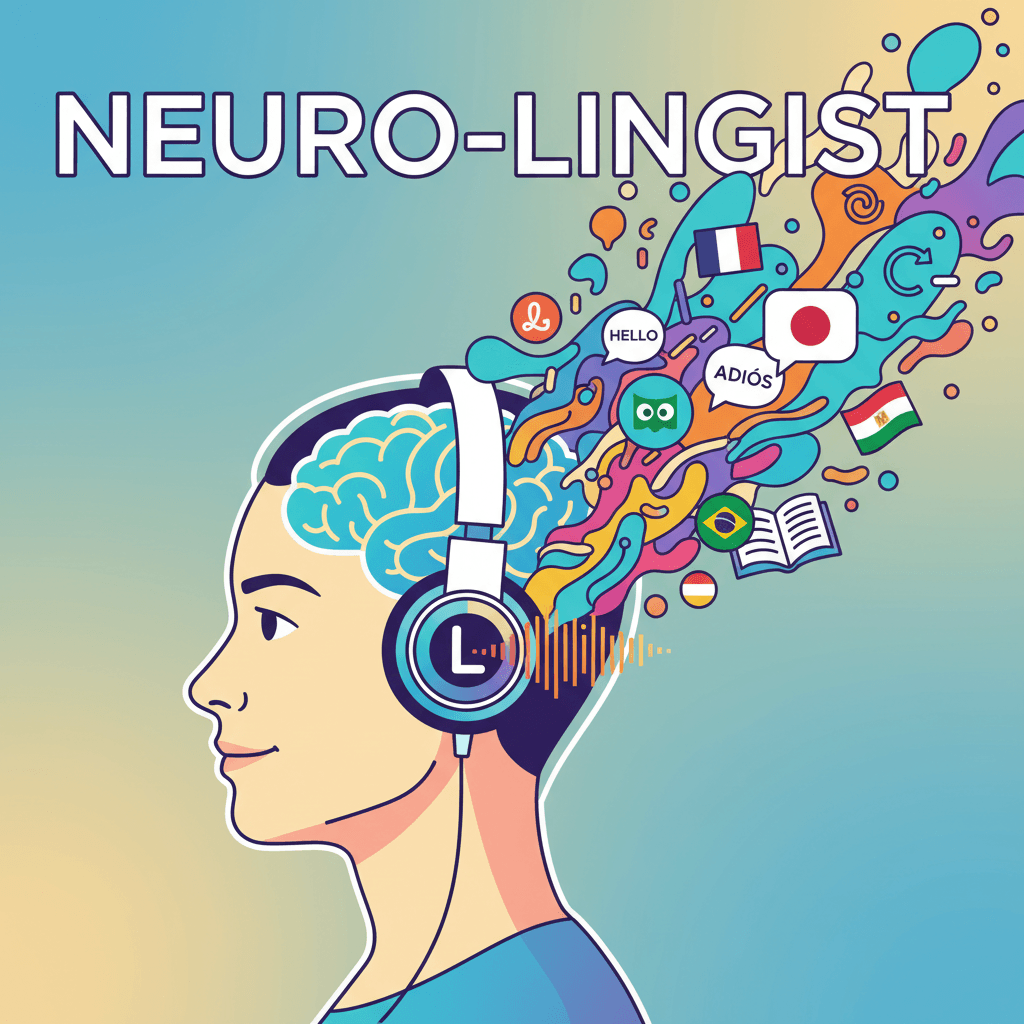
If you have ADHD and have ever felt that learning a new language is impossibly frustrating, you're not alone—and your brain isn't broken. For years, language education has been designed for a specific type of learner, one who thrives on rigid schedules and repetitive drills. But what if your brain is wired for novelty, creativity, and intense bursts of focus? Understanding how to learn a language with ADHD isn’t about forcing yourself into an old-fashioned mold. It’s about building a new, smarter system that works with your brain’s unique strengths, turning potential challenges into your greatest assets for neurodivergent language learning.
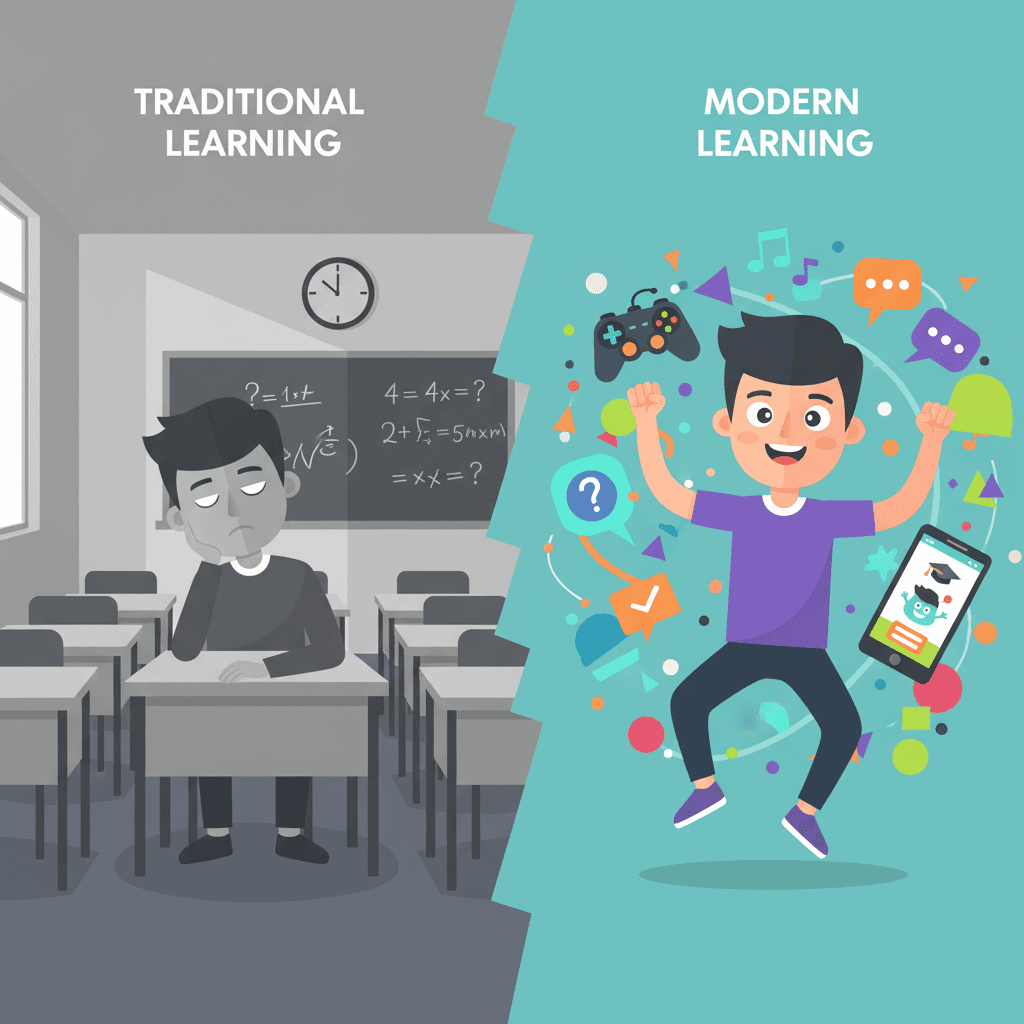
Why Traditional Language Learning Fails the ADHD Brain
The traditional language classroom can often feel like an obstacle course for the ADHD mind. Think about it: long, drawn-out lessons, a heavy focus on abstract grammar rules, and feedback that comes days or weeks later. These methods directly conflict with how the ADHD brain operates. Most language study relies on what experts call “repetitive, low-novelty practice sustained by willpower,” which is a significant challenge for a brain that craves stimulation and quick, varied rewards.
This isn't just a feeling; it's backed by research. A 2024 study in Norway identified that attention and memory difficulties are common themes for language learners with ADHD. This directly impacts executive functions and working memory, the very skills needed to memorize long vocabulary lists or mentally juggle complex conjugation charts. When you struggle, it’s easy to feel discouraged, but the issue is rarely your capacity to learn. As Pearson noted in 2026, these perceived difficulties are often due to teaching methods that lack the novelty and engagement the ADHD brain requires to stay switched on.
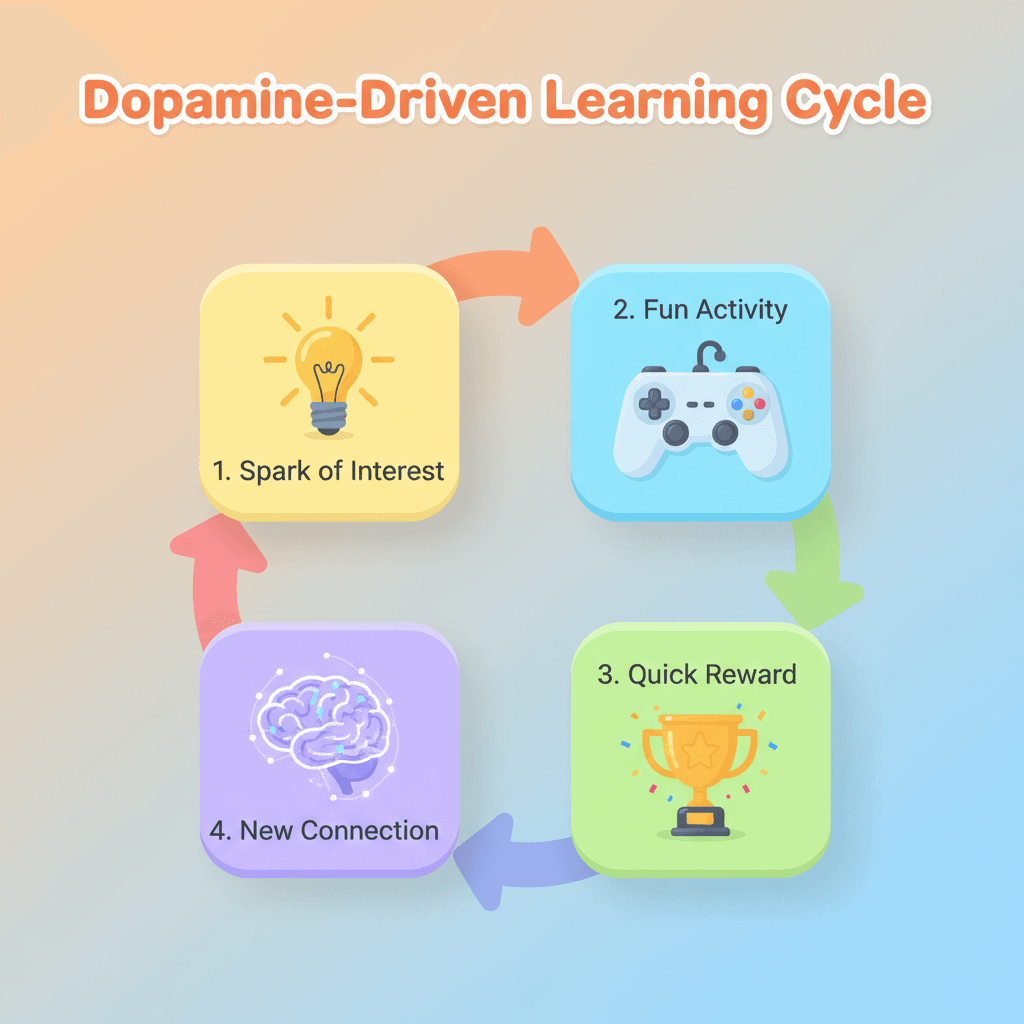
The core problem is a mismatch of energy. ADHD brains thrive on short bursts, fresh challenges, and immediate feedback loops. Rigid 'sit-and-study' routines simply don't provide the dopamine hits needed to maintain momentum. The good news? Once you understand this, you can stop fighting your brain and start building a learning process that feels less like a chore and more like an adventure.
The ADHD Language Learning Superpower System
What if we told you that some of the biggest ADHD-related frustrations can actually be your secret weapons for language learning? By reframing your traits, you can build a powerful system that leans into your natural strengths. Let's stop seeing them as deficits and start treating them like the assets they are.
- •Hyperfocus: When a topic grabs your interest, you can dive deeper than anyone else. Instead of slogging through boring textbook chapters, use your hyperfocus for language learning by immersing yourself in subjects you already love—whether it's video games, sci-fi movies, or cooking tutorials in your target language.
- •Creativity: Your brain makes connections others might miss. Leverage this by making learning more tangible and memorable. As suggested by Corbin Vermeulen on Medium, you can try acting out verbs, color-coding grammar concepts, or creating funny mnemonics to make abstract rules stick.
- •Novelty-Seeking: Your desire for 'what's new' keeps you from getting stuck in a rut. This is perfect for language learning! You can constantly switch up your methods, from using gamified apps and AI tutors to listening to new music or trying a recipe in another language. This keeps your brain engaged and prevents burnout.
- •High Energy: You can bring a dynamic, active approach to learning. Instead of passively reading, get moving. Practice vocabulary while on a walk, talk to yourself in the target language while doing chores, or find a language exchange partner for an energetic conversation.
Dr. Esther Gutierrez Eugenio, a PhD specializing in neuroscience, recommends leveraging hyperfocus by pursuing topics of genuine interest. This isn't just a preference; it’s a science-backed strategy to maintain focus and motivation. By designing a system around these traits, you’re not just learning a language; you’re mastering the art of learning with your specific brain.
Designing Your Dopamine-Driven Study Routine
Forget the idea of a rigid, two-hour study block every night. For an ADHD brain, consistency comes from flexibility, not force. The key is to create a 'dopamine-smart' routine that delivers the small, frequent rewards your brain craves. This approach, which focuses on making progress feel obvious and immediate, is one of the most effective ADHD learning strategies.
Start by embracing what ScrollEd Blog calls 'micro-missions'—intense, focused study blocks of just 5-12 minutes. Completing a tiny mission, like learning five new words or having a two-minute conversation with an AI tutor, provides a quick win and a hit of dopamine. This makes you more likely to come back for another round later. It’s about building momentum through small, satisfying steps, not trying to conquer the whole language at once.
Another powerful technique is creating a 'Dopamine Menu,' a concept highlighted by StudyCards AI. Instead of a fixed to-do list, create a menu of language activities categorized by mental energy level. Feeling sharp and focused? Tackle a tricky grammar concept. Feeling tired and distracted? Put on a playlist or watch a show in your target language. This allows you to match your activity to your brain's capacity, ensuring you're always doing something productive without hitting a wall of frustration.
The Best Language Learning Tools for ADHD Brains (2026)
The right tools can make all the difference, transforming study from a battle against your brain into a partnership with it. The best language learning tools for ADHD are designed to maximize engagement, provide instant gratification, and minimize cognitive load. Here are our top picks based on what works for the neurodivergent brain.
For Confident Speaking Practice: SpeaksyAI
Speaking is often the most intimidating part of learning a language, especially when rejection sensitive dysphoria (RSD) is a factor. The fear of judgment can be paralyzing. This is where an AI tutor like the one from SpeaksyAI (speaksyai.com) becomes invaluable. It provides a non-judgmental space to practice speaking out loud, 24/7. You get instant, private feedback on your pronunciation, which provides the immediate reinforcement the ADHD brain loves. This focus on active production keeps you highly engaged and helps you speak confidently with ADHD.
For Effortless Immersion: Lingopie
Immersion is crucial, but setting it up can feel overwhelming. Tools like Lingopie reduce this friction by letting you learn through TV shows and movies. You can absorb the language in a context that’s genuinely entertaining, which is perfect for interest-based learning. The interactive transcripts and clickable subtitles lower the cognitive load, making it easier to stay engaged without getting overwhelmed.
For Visual Vocabulary Building: Gamified Flashcard Apps
Plain-text flashcards are a recipe for boredom. The ADHD brain benefits from multi-sensory input. Look for apps that use images, audio, and gamified quizzes to teach vocabulary. According to 2025 research from Frontiers, these gamified interventions can improve sustained attention. The game-like elements—points, streaks, and levels—provide a steady stream of dopamine that keeps you coming back for more.
Navigating the Classroom vs. Self-Study with ADHD
Whether you’re in a formal class or studying on your own, you can adapt your environment to support your learning style. A 2020 study noted that while adults with ADHD often have comparable language skills, they report lower confidence and more difficulty maintaining attention. This highlights the need for a personalized support system, no matter the setting.
In a traditional classroom, don't be afraid to advocate for yourself. This could mean requesting accommodations like sitting near the front, using fidget tools, or asking the instructor to provide notes ahead of time. Another powerful strategy is 'body doubling,' which involves working alongside another person. As noted by abblino in 2025, the quiet presence of a classmate can significantly improve your ability to initiate and sustain focus during study sessions.
For self-studiers, the challenge is creating structure without rigidity. This is where gamified apps become essential. Citing the 2025 study again, these tools are proven to help maintain momentum and attention. You are your own curriculum designer, so you have the freedom to build a routine around your interests, energy levels, and 'micro-missions.' This autonomy is a huge advantage for neurodivergent language learning, as it allows you to create a truly individualized and effective plan.
How an AI Tutor Becomes Your Perfect Study Partner
Imagine a study partner who is available 24/7, ready whenever hyperfocus strikes, never gets tired, and offers instant, encouraging feedback without a hint of judgment. This is the power of an AI language tutor, and it's a revolutionary tool for learners with ADHD. This is the core of what we call The SpeaksyAI System for the ADHD Brain—a method built on responsive, engaging technology.
AI tutors excel at providing the personalized, adaptive content that keeps the ADHD brain engaged. They can adjust to your pace, repeat things as many times as you need, and offer real-time speech recognition. This creates a powerful feedback loop. A June 2025 trial found that students using a chat-based AI tutor performed significantly better, validating the power of immediate reinforcement in making learning stick.
More importantly, an AI tutor directly addresses the emotional challenges of learning, like RSD. By practicing in a private, judgment-free zone, you can build the muscle memory for speaking without the anxiety of making a mistake in front of a person. This helps you build genuine, unshakable confidence. The combination of gamified elements, instant feedback, and a safe practice environment makes an AI tutor the ideal partner to help you finally speak confidently with ADHD.
Frequently Asked Questions
Frequently Asked Questions
Ready to Speak Confidently?
SpeaksyAI is the AI language tutor designed for how you learn. Get instant feedback and practice anytime, judgment-free.
Join the Waitlist