Overcome Your Fear of Speaking a New Language: A Guide
The fear of speaking a new language is real, but you can overcome it. This guide gives you actionable steps to build confidence, from mindset shifts to using a safe, AI-powered practice space.
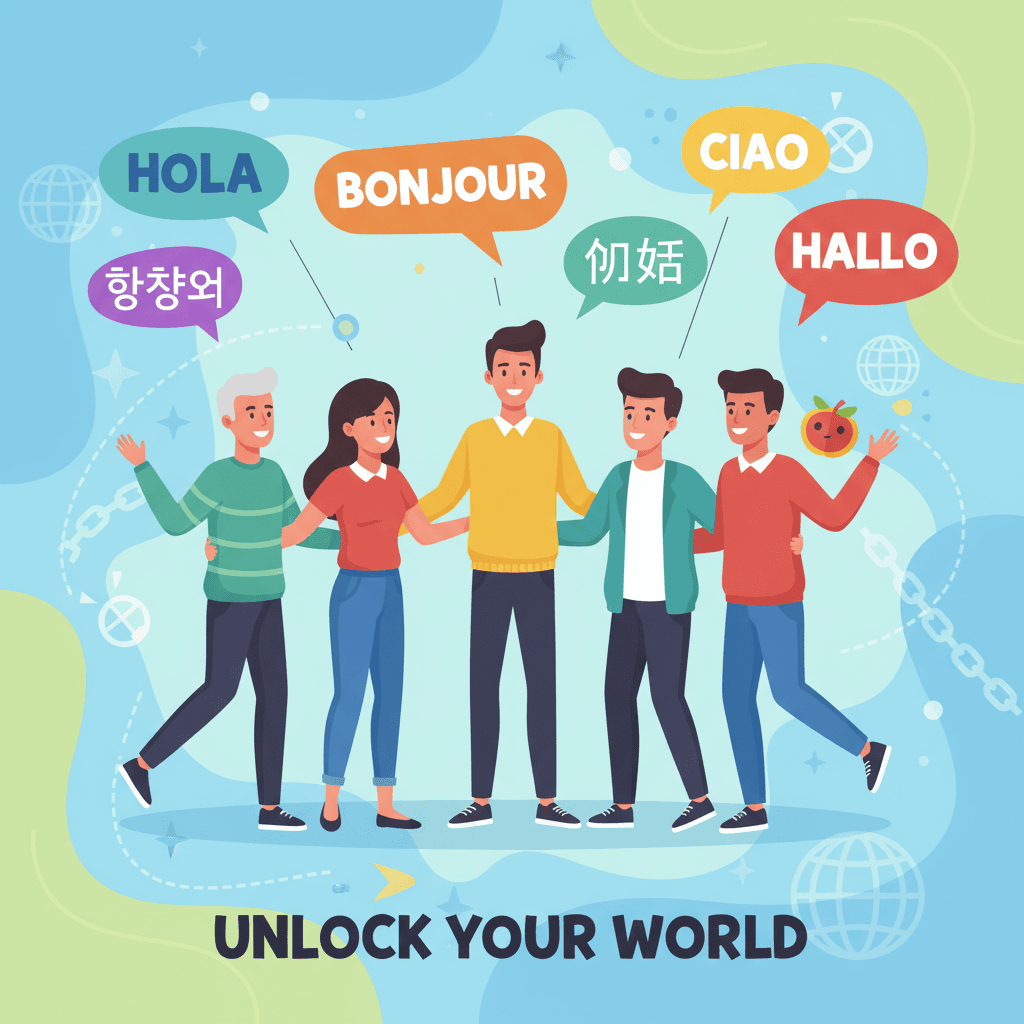
Does your heart pound when you try to speak a new language? Do you find yourself freezing up, frantically searching for the right word, even when you know it? You’re not alone. This feeling is incredibly common, and learning how to get over the fear of speaking a new language is one of the most important steps toward fluency. It's not about a lack of knowledge; it's about a very real psychological barrier that millions of learners face. The good news is that you can overcome it with the right mindset and the right tools. This isn't about vague tips to 'just be confident'—it's a concrete plan to build real, lasting confidence from the ground up.
Why Is Speaking a New Language So Scary?
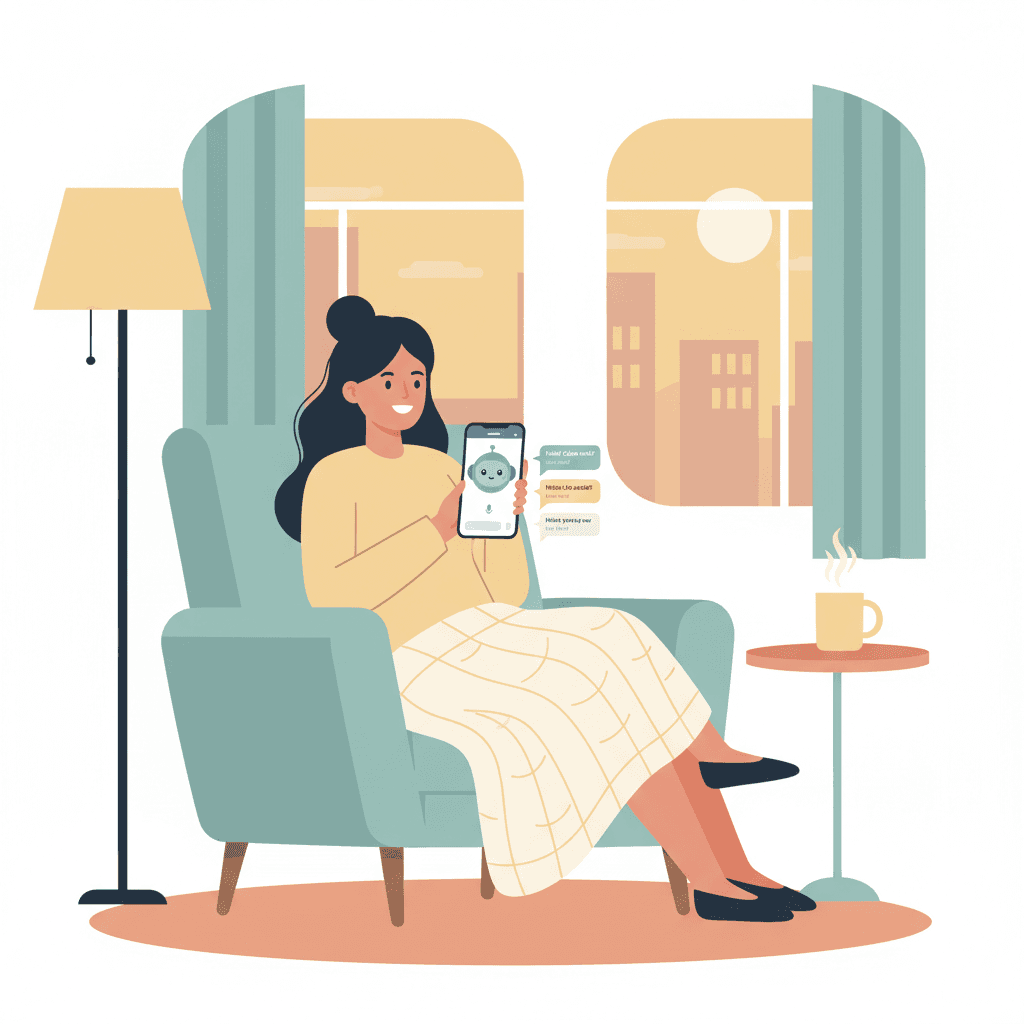
That feeling of dread has a name: Foreign Language Anxiety (FLA), or more specifically, xenoglossophobia. It’s a unique form of anxiety rooted in the fear of being judged, making mistakes, or sounding 'silly' in front of others. A systematic review of research between 2015 and 2025 confirmed that the two biggest triggers for this anxiety are the fear of negative evaluation from others and your own perceived linguistic shortcomings, like not knowing enough words. If you've ever felt this way, you're in good company. A 2026 report from Talks.co found that anxiety is often reported to be higher when speaking in a second language compared to a native one, confirming this is a widespread experience for learners worldwide, from the US and UK to India and Australia.
This anxiety isn't just in your head; it has measurable causes. Imagine you're trying to order a coffee in Paris. You know the words, but suddenly your mind goes blank. This struggle is a primary source of stress. In fact, a 2025 study from Cambridge University Press & Assessment involving 262 language students found that the simple act of trying to retrieve the right vocabulary was a major trigger for Foreign Language Speaking Anxiety (FLSA). Your brain is working overtime to translate, recall grammar, and form sounds it isn't used to, all while worrying about how you're being perceived. It's a heavy cognitive load that can easily lead to a state of panic or shutdown.
The Mindset Shift: From Fear of Judgment to Desire for Feedback
One of the most powerful ways to overcome language learning anxiety is to fundamentally change how you view mistakes. Instead of seeing them as failures, start seeing them as data. Every error is a signpost showing you exactly what you need to work on next. The goal of your early conversations isn't to be perfect; it's simply to communicate an idea. A June 2025 study on psychological factors in L2 learning identified this 'fear of judgment' as a major obstacle because it causes learners to underestimate their own abilities. By shifting your goal from 'I hope I don't get judged' to 'I hope I get useful feedback,' you transform a stressful situation into a valuable learning opportunity.

Embracing this mindset is about celebrating effort over perfection. Native speakers in Canada, the US, or the UK don't expect you to sound like you were born there. Most people are simply happy you're making an effort to speak their language. According to a January 2025 study in the Cognizance Journal of Multidisciplinary Studies, while constructive feedback is essential for improvement, students perceive positive feedback as a major confidence booster. This highlights the importance of finding supportive environments where you feel encouraged. To build this supportive setting for yourself, another 2025 study recommends creating 'low-stakes speaking exercises' where mistakes are accepted and even expected. This approach has been proven to significantly reduce language anxiety and make practice feel less like a test and more like a game.
Your Safe Space: Build Confidence with an AI Language Tutor
So, where can you find this magical 'low-stakes' environment to practice speaking a new language confidently? In the past, your only options were to talk to yourself or find an incredibly patient human. Today, technology offers a better way. An AI language tutor like SpeaksyAI is your personal, 24/7 safe space for speaking practice. It’s a conversation partner that has no ego, no impatience, and no judgment. You can stumble over words, repeat phrases a hundred times, and make the same mistake over and over without any social pressure or embarrassment. This is the perfect bridge between studying alone and facing the unpredictability of real-world conversations.
This isn't just a gimmick; it's a psychologically-backed method for reducing speaking anxiety. Research published in the Journal of Applied Linguistics and TESOL in 2025 confirmed that using AI tools leads to a “statistically significant decrease in anxiety” for language learners, directly boosting their confidence and speaking performance. Why? Because it removes the social pressure that can cause your brain to freeze. A 2026 analysis titled Why Shy Learners Are Switching to AI Language Tutors explains that practicing with an AI keeps your brain in a relaxed, receptive state that is far more conducive to learning. You're free to focus on one thing: speaking.
Remember that Cambridge study that found vocabulary retrieval to be a major source of anxiety? An AI tutor directly addresses this. It provides a private space for the endless repetition needed to burn those words and phrases into your memory. Furthermore, with features like instant pronunciation feedback, AI-powered tools offer what experts from Berlitz call “immediate feedback without the fear of failure.” It’s a revolutionary tool for building a strong, confident foundation before you ever have to speak with another person.
A 3-Step Plan to Practice Speaking Without Fear
Getting over your speaking fear requires more than just willpower; it requires a structured plan. Instead of abstract advice, here is a concrete, tech-powered training plan to take you from anxious silence to confident conversation. A 2025 systematic review of research identified AI-driven tools as a 'promising pedagogical intervention' to directly address speaking anxiety. This plan leverages that technology to help you build skills and confidence methodically. The 'fear of negative evaluation' is a core trigger for anxiety, and this plan is designed to eliminate that pressure from the start.
Step 1: Master Pronunciation in Private
One of the biggest fears is sounding 'wrong' or being misunderstood. This is where you can use AI to your advantage. Before you even think about holding a conversation, focus on individual sounds and words. Use an AI tutor with a pronunciation feedback feature. At SpeaksyAI, you can say a word or phrase, and the AI will instantly show you how you did, often with a score and highlighting exactly which sounds you need to improve. You can repeat this process as many times as you need, without feeling rushed or judged. This directly addresses what experts recommended in a 2024 guide: practicing by talking to yourself first in a private, low-pressure environment.
Think of it as your private pronunciation coach. Because anxiety is often more intense when speaking a second language, as noted by Talks.co in 2026, this initial private practice is crucial. It helps build muscle memory for your mouth and tongue, making the sounds of your new language feel more natural. By the time you move on to speaking with people, you'll have a much higher degree of certainty that you are producing the sounds correctly. This small win builds a massive amount of confidence.
Step 2: Role-Play Common Scenarios
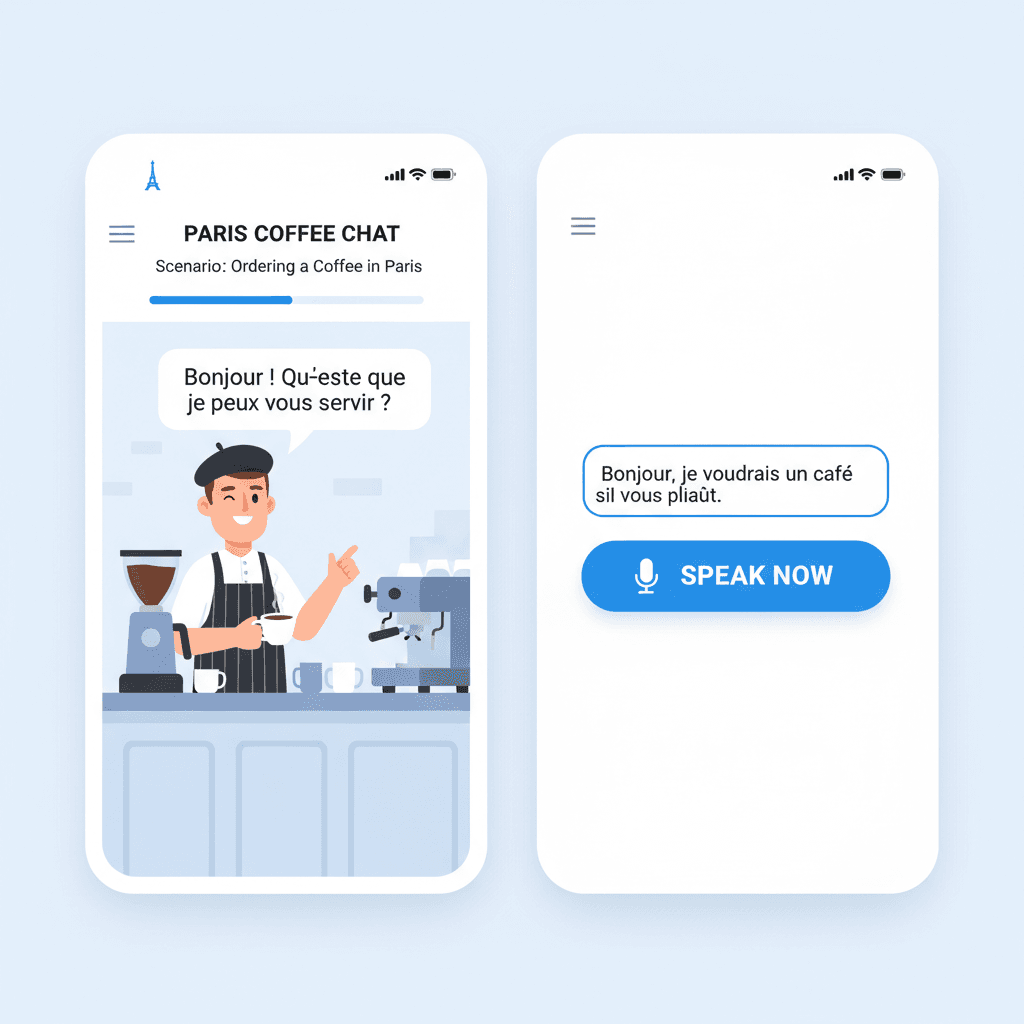
Once you feel more comfortable with your pronunciation, it's time to start stringing words into sentences. But don't jump into a random, open-ended conversation just yet. Instead, use your AI tutor to role-play common, predictable scenarios. This could be ordering food at a restaurant, asking for directions, introducing yourself, or making small talk about the weather. This approach is a practical application of a psychological principle called systematic desensitization, where gradual, controlled exposure to a feared situation reduces anxiety over time.
Why is this so effective? It directly targets the anxiety of vocabulary retrieval. The 2025 Cambridge University Press study found that struggling to find words is a primary trigger for FLSA. By practicing a scenario like ordering coffee, you are rehearsing the exact vocabulary and sentence structures you'll need in that moment. You're building a script. When you finally do it in real life, your brain won't be scrambling for words; it will be retrieving a well-practiced routine. Experts from the EF GO Blog recommend this exact strategy—practicing full sentences for real-life interactions—to boost fluency and preparedness. Your AI tutor is the perfect, patient partner for this rehearsal.
Step 3: From AI Practice to Real-World Conversation
This is the final, crucial step: making the leap from your AI 'safe space' to speaking with real people. The key is to do it gradually. Don't go from practicing on your phone to debating politics with a native speaker. Start with low-stakes, predictable interactions. For example, after practicing how to say 'thank you' and 'have a nice day' with your AI, use those exact phrases with a cashier at the grocery store. The interaction is short, the script is set, and the pressure is minimal.
Once you're comfortable with these micro-interactions, use your AI tutor as a warm-up tool. Let's say you've scheduled a session with a human tutor on a platform like italki. Before the call, spend 10-15 minutes role-playing the introductory small talk with your AI partner. This primes your brain, gets you into the flow of the language, and helps overcome that initial wave of anxiety. As a 2025 report from abblino notes, AI conversation partners serve as a critical bridge between solo study and live conversation. You are using the AI to prepare for a specific, upcoming interaction, which significantly lowers the cognitive load and associated stress.
- •Start Small: Use simple greetings and phrases with cashiers or baristas.
- •Warm Up: Practice a specific scenario with your AI tutor right before you do it in real life.
- •Find a Patient Partner: Schedule short sessions with an online tutor who knows you are a beginner.
- •Set a Goal: Decide to speak for just 5 minutes, focusing on communication, not perfection.
Frequently Asked Questions
Frequently Asked Questions
Ready to Speak Confidently?
Stop letting fear hold you back. Join the waitlist for SpeaksyAI and start practicing in your own judgment-free space to achieve fluency.
Join the Waitlist